Home/Blog/Athlete Training Program
Athlete Training ProgramFast Bowling Speed Training | Boost your Pace With Drills
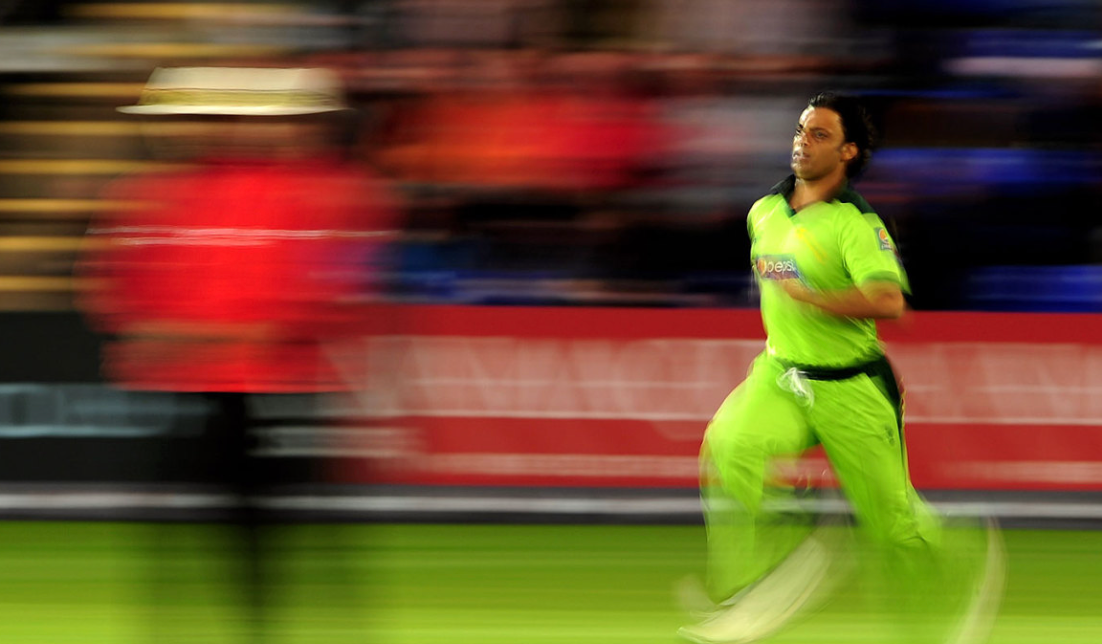
The Approach to Improving Run-up Speed for Fast Bowlers
To address these issues, we implemented a targeted sprint-training session focused on mechanics, not just effort. The video showcases key exercises designed to improve specific weaknesses. It’s worth noting that prep work—like hamstring activation and calf/Achilles isometric holds for stiffness—was done prior to these drills.The Art of Ball Release in Fast Bowling
The ball release is one of the most critical aspects of fast bowling, often determining the pace, accuracy, swing, and bounce of a delivery. It occurs in the final phase of the bowling action, right after the front foot lands and the arm reaches its highest point. A clean, well-timed release allows the bowler to maximize energy transfer from the run-up and action into the ball, helping generate speed and movement.
To improve your ball release, focus on wrist position, seam orientation, and timing. For pace, the wrist should be firm and upright, with fingers behind the ball to create backspin.
For swing, the seam should stay upright as it leaves the hand. Releasing the ball too early or too late can lead to poor control and reduced effectiveness. Practicing with video feedback and working with a coach can help fine-tune this crucial element.
Ultimately, a fast bowler’s release can turn a good ball into an unplayable one. Whether you're aiming for speed, seam, or swing, mastering the release point is key to consistency and dominance on the pitch.
The Drills and Their Purpose
Exercise Prescription rationale: The exercises target hip, ankle, and foot mechanics with an emphasis on improving ground force application, ankle stiffness, and transitioning between hip flexion and extension. [video width="478" height="850" mp4="/image/video/blog/VIDEO-2025-01-16-10-51-49.mp4"][/video] Below is an assessment of each exercise with evidence-based considerations: 1. Standing Resisted Hip Extensions Objective: Reinforces hip extension mechanics and improves ground reaction force by ensuring the foot strikes under the hip. Evaluation: The focus on landing the foot under the hip is effective for teaching optimal force application. Evidence suggests that resisted hip extension drills improve horizontal force output in sprinting by engaging the posterior chain muscles. Tip: awareness for glute activation and ensure proper posture to avoid compensations like lumbar hyperextension. 2. Standing Resisted Hip Flexion Objective: Develops hip flexion strength while promoting plantarflexion to prepare for rapid transition during the swing phase. Evaluation: Hip flexor strength is crucial for reducing swing time, which is supported by sprint biomechanics. Combining flexion with plantarflexion enhances the athlete’s ability to maintain stiffness during ground contact. Tips: keep a lighter resistance and higher velocity to mimic sprint-specific speeds. 3. Wall Exchanges (Single-Leg Pogos to Switch) Objective: Improves foot strike under the hip, forward lean body angle, and ankle stiffness during ground contact. Evaluation: Single-leg pogos effectively target ankle stiffness and reactive strength. Emphasising the correct lean and switching mechanics promotes alignment with sprinting phases. Tips: Gradually increase the speed of exchanges to simulate rapid turnover in sprinting. 4. Split Squat Front Foot Pogos Objective: Enhances ground contact time and builds reactivity in a single-leg context. Evaluation: Split stance pogos target unilateral reactive strength, critical for reducing ground contact times in sprinting. Tips: Emphasise minimal ground contact time and ensure the rear leg is not contributing excessively. 5. Split Squat Front Foot Lateral Hops Objective: Improves ankle stabilisation and eccentric-to-concentric transition through multidirectional loading. Evaluation: Lateral hops introduce variability that challenges stabilisers, which can reduce ankle collapses at toe-off Tips: Progress from controlled lateral hops to more dynamic bounds as you feel more competent. 6. A-Skip Objective: Focuses on top-end sprint mechanics by reinforcing downward striking, coordinated hip/knee/ankle movement, and plyometric ‘pop’. Evaluation: A-skips are effective for neuromuscular coordination and rhythm but are less impactful for developing force at maximal velocities. Tips: pair it with resisted A-skips (sled below) or integrate with bounding drills to improve horizontal force transfer. 7. Sled A-Skip Objective: Combines sled resistance with A-skip mechanics to improve hip extension force and forward projection. Evaluation: Sled work improves horizontal force production and stride mechanics Tips: Use moderate sled loads (~10-20% bodyweight) to avoid compromising sprint mechanics while maintaining overload for force production.Fast Bowling Fitness: Building the Engine Behind the Speed
Fast bowling in cricket demands a unique blend of strength, endurance, and explosive power. To consistently deliver high-speed deliveries while minimizing injury risk, fast bowlers must maintain top-tier physical fitness. This includes a focus on core stability, lower body strength, cardiovascular conditioning, and flexibility.
Effective training programs incorporate sprinting, resistance exercises, and mobility work to support the high-intensity actions of the bowling run-up and delivery stride. Proper recovery routines, including hydration, nutrition, and sleep, are equally vital. Ultimately, fitness is the engine that fuels a fast bowler’s performance, helping them stay sharp, consistent, and resilient throughout long spells and demanding matches.
Why It Matters for Fast Bowlers
This session wasn’t just about effort—it was a micro-dosing approach to technical skill development: - Short, Focused Efforts: High-quality reps were included in warm-ups to avoid fatigue. - Reinforced Motor Patterns: Mechanics were refined when the body was primed. - Low Neurological Load: Submaximal effort allowed for precision without overloading the system. - Enhanced Transferability: Prepared the athlete for peak performance in gym or running sessions.Fast Bowler Training Schedule: Building Speed, Strength, and Stamina
Fast bowling is one of the most physically demanding roles in cricket, requiring a unique combination of power, endurance, flexibility, and skill. A well-structured training schedule helps fast bowlers build the strength and fitness needed to consistently bowl at high speeds while reducing the risk of injury.
It’s not just about bowling more overs — it’s about training smart, managing workload, and developing key physical attributes.
An ideal weekly routine for a fast bowler includes a mix of strength training, sprinting, skill work in the nets, and adequate rest. Lower body power, core stability, and upper body strength are essential for generating pace and maintaining control through long spells.
Sprint training and bowling under fatigue help simulate match conditions and improve stamina. Just as importantly, recovery days with stretching, mobility work, and proper nutrition allow the body to repair and grow stronger.
By following a balanced training schedule, fast bowlers can improve their performance, prolong their careers, and stay sharp during both training and competitive matches.