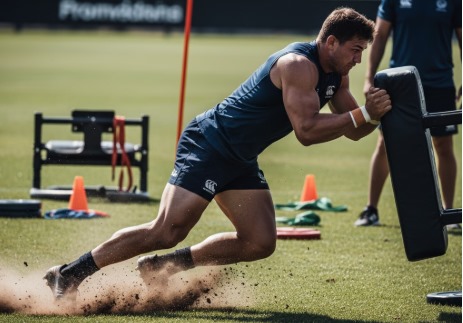
Fitness Tips Every Aspiring Cricketer Should Know

Cricket is no longer just a test of skill — it’s a full-body sport that demands strength, stamina, agility, and endurance. Whether you’re sprinting for a quick single, bowling long spells in the heat, or chasing the ball across the boundary, fitness directly affects how well you perform. For young cricketers and beginners, building a strong fitness foundation early sets the stage for future success.
A good fitness plan improves batting power, bowling speed, fielding reflexes, and reduces the risk of injuries that can sideline your progress. It also boosts energy levels, helps maintain focus in long matches, and allows you to recover faster between games. That’s why professional players spend as much time in the gym and on fitness drills as they do practicing their batting and bowling skills.
If you’re just starting out or guiding a young player, understanding the right fitness drills is essential. Below, we’ll walk through a complete cricket fitness training program — from warm-ups and agility drills to endurance, strength, and core exercises — that will transform you into a stronger, faster, and more resilient cricketer.

Top Fitness Drills for Aspiring Cricketers
For anyone serious about improving their cricket performance, mastering the right fitness drills is just as important as practicing batting or bowling. These drills build the essential qualities every cricketer needs — strength, stamina, agility, balance, and speed — all of which translate directly into better performance on the field. A well-rounded routine ensures you can bowl longer spells without fatigue, sprint quickly between wickets, field with lightning reflexes, and maintain focus through long innings. Some of the most effective cricket fitness drills include:
1. Warm-Up Exercises for Cricket
A proper warm-up is essential before every training session or match. It prepares your muscles and joints for intense activity, reduces injury risk, and improves overall performance. Focus on dynamic stretches and movements that mimic cricket actions. Best warm-up exercises:- Arm Circles & Shoulder Rotations: Prepare your shoulders for bowling and throwing.
- Leg Swings & Lunges: Activate your hips, hamstrings, and quads.
- High Knees & Skipping: Increase heart rate and improve coordination.
- Torso Twists: Loosen up your spine and prepare your core for rotational movements.
2. Strength Training for Cricketers
Strength is the backbone of cricket performance. Strong muscles allow bowlers to generate pace, batters to hit with power, and fielders to throw with speed and accuracy. For young cricketers, focus on bodyweight strength exercises first — they are safe, effective, and build functional strength without risking injury. Recommended strength exercises:- Push-Ups: Build upper body strength for throwing and batting.
- Squats & Lunges: Strengthen the legs for powerful run-ups and explosive sprints.
- Planks: Strengthen your core, improving posture and stability.
- Farmer Carries: Enhance grip strength and anti-lateral flexion.
Also Read: Do You Need to Be Sore After a Workout?
3. Speed and Agility Drills for Cricketers
Cricket demands quick bursts of speed and rapid changes in direction — from sprinting between wickets to reacting in the field. Agility and speed drills sharpen reflexes, boost acceleration, and improve footwork. Top drills:- Ladder Drills: Improve coordination and quickness.
- Cone Zig-Zags: Practice rapid direction changes, ideal for fielding.
- 20m Sprints: Develop acceleration and top-end speed.
- T-Drill: Boost reaction time and lateral movement.
4. Core Strength Exercises for Cricketers
Your core is the powerhouse of your body — connecting the upper and lower body and playing a crucial role in every cricket skill. A strong core improves stability, balance, and power transfer. Best core exercises:- Russian Twists: Boost rotational power for batting and bowling.
- Pallof Press: Build anti-rotation strength to improve control.
- Plank Pull-Through: Enhance shoulder stability and core endurance.
- Cable Core Rotation: Mimic cricket’s rotational movements for more power.
5. Endurance Exercises for Cricket Players
Endurance keeps you performing at your best through long matches. Without good stamina, even skilled players struggle to maintain focus and intensity in later overs. Effective endurance drills:- Shuttle Runs: Improve cardiovascular fitness and simulate match movements.
- Interval Running: Alternate between jogging and sprinting to boost stamina.
- Hill Sprints: Build leg strength and improve aerobic capacity.
- Continuous Jogging (30–45 min): Enhance overall endurance and recovery ability.
6. Balance and Coordination Exercises for Cricketers
Balance and coordination are vital for shot accuracy, stable bowling actions, and agile fielding. They help you stay in control during dynamic movements and reduce injury risk. Best exercises:- Single-Leg Balance: Enhances ankle stability and proprioception.
- Balance Board Work: Improves overall coordination.
- Medicine Ball Toss: Builds hand-eye coordination and power.
7. Cricket Fielding Fitness Drills
Elite fielders are often the fittest players on the team. Fielding drills improve reaction time, throwing accuracy, and movement efficiency. Top drills:- Reaction Ball Drills: Improve reflexes and hand-eye coordination.
- Diving Drills: Practice controlled landings and quick recoveries.
- Boundary Chase Sprints: Build speed and endurance.
- Throwing Drills: Enhance shoulder strength and accuracy.
8. Plyometric Exercises for Cricketers
Plyometrics develop explosive power — essential for fast bowlers, aggressive batters, and athletic fielders. They train your muscles to exert maximum force quickly. Best plyometric drills:- Box Jumps: Build explosive leg power for sprinting and bowling.
- Medicine Ball Slams: Improve core power and coordination.
- Broad Jumps: Increase stride strength for bowling run-ups.
- Bounding Drills: Boost power transfer and athleticism.
Fitness Tips for Young Cricketers
- Start with bodyweight exercises: Push-ups, squats, and planks build foundational strength safely.
- Build stamina with aerobic activities: Use games, relays, and intervals to make endurance training fun.
- Include agility work: Ladder and cone drills improve quickness and reflexes.
- Don’t skip rest and recovery: Aim for 8–10 hours of sleep and at least 1–2 rest days weekly.
- Stay consistent: A regular, enjoyable routine is more effective than occasional intense sessions.